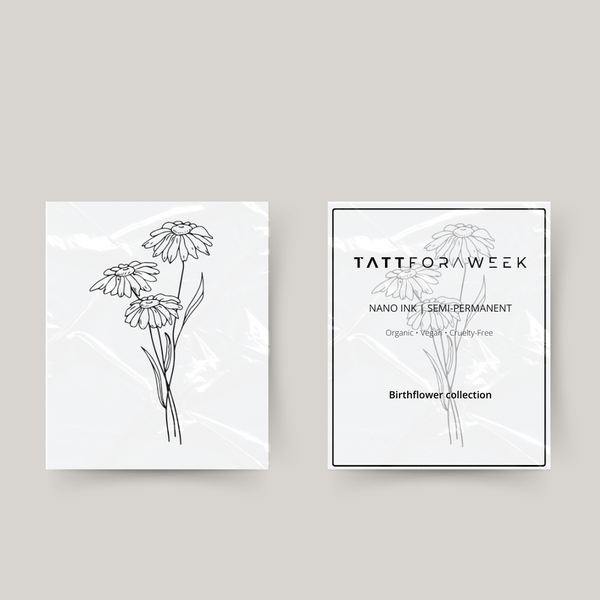
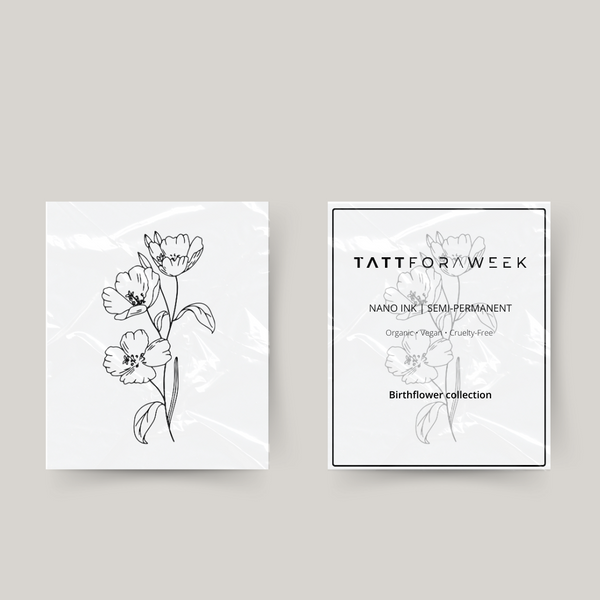
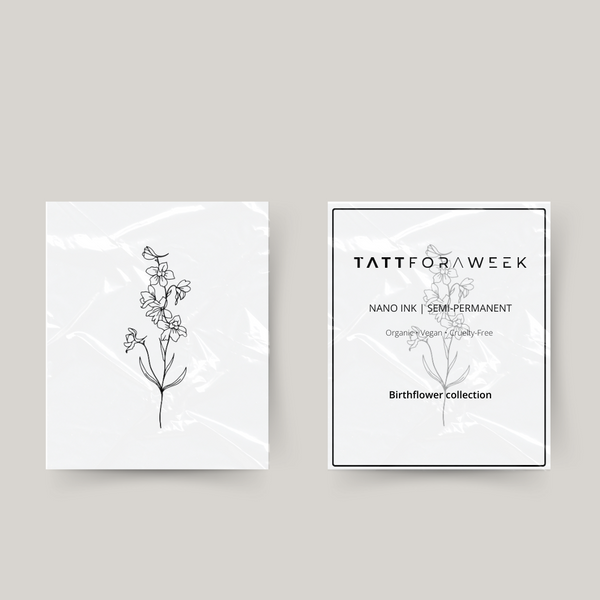
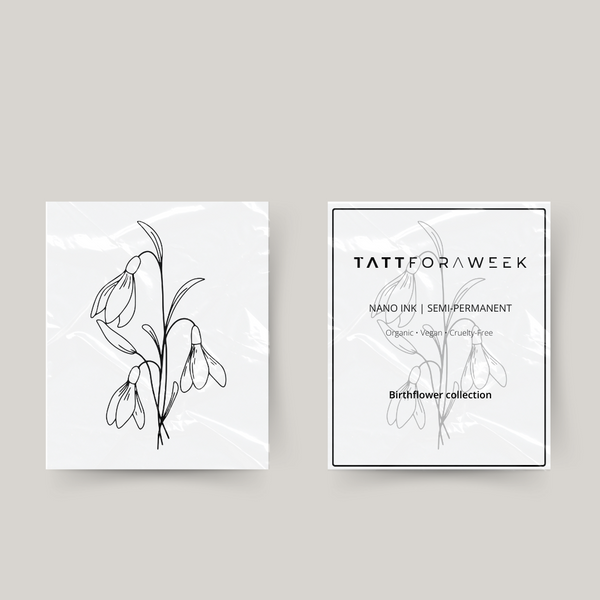
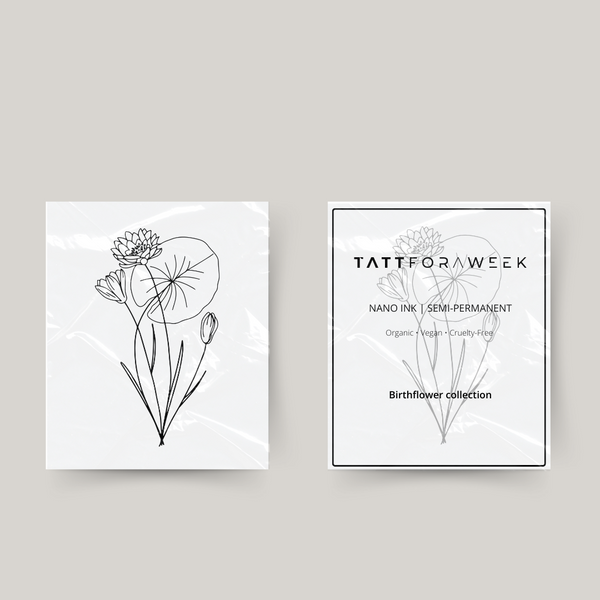
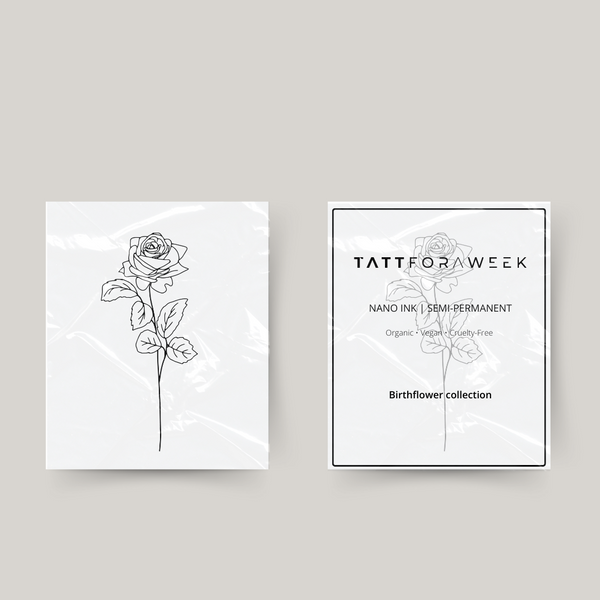
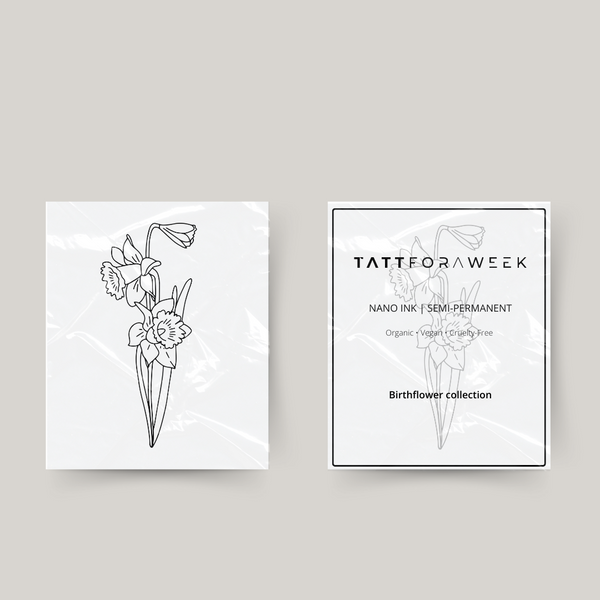
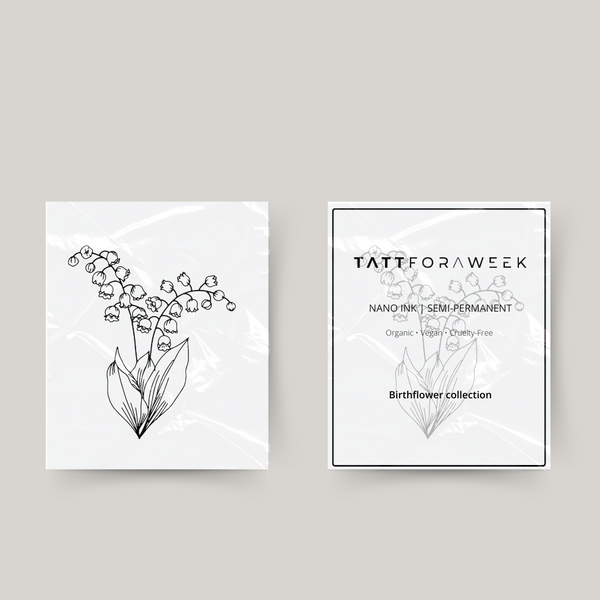
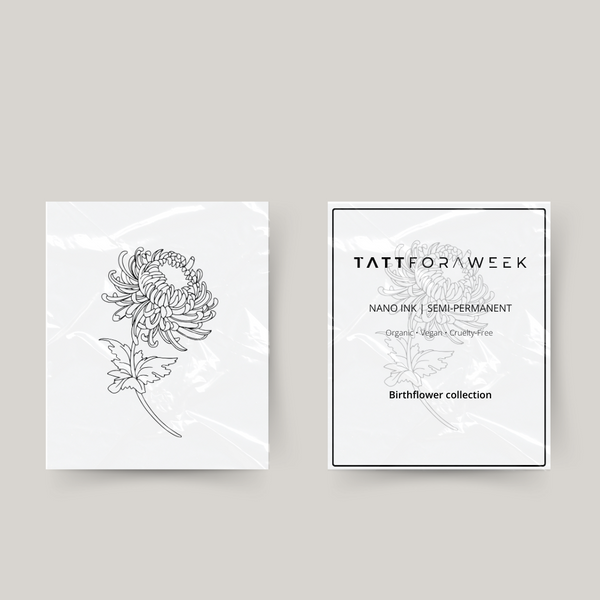
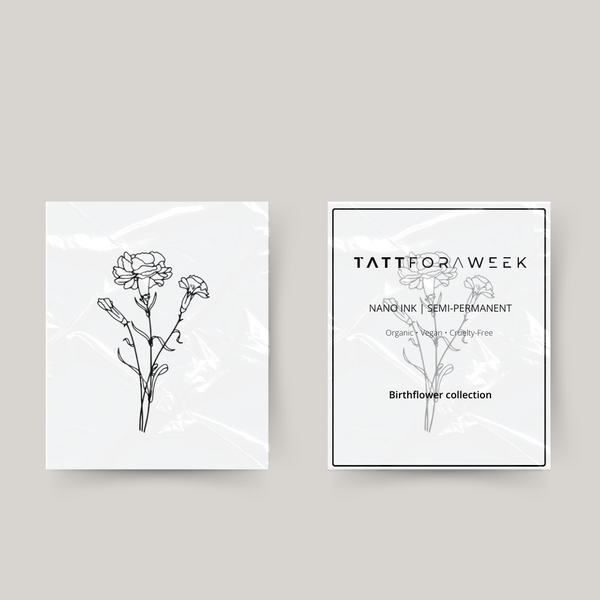
The birth flower of February: the violet
Those born in February have the violet as their birth flower. This flower appears in deep purple, light blue, and sometimes white, blooming early in the year, often before the last frost has passed. That makes it a symbol of resilience and early strength.
What the violet symbolizes
The violet has stood for loyalty and sincere affection for centuries. In ancient Greece, it was used as a sign of mourning and remembrance. Later, in the Victorian language of flowers, a violet represented a thought that keeps someone close to you, even after they are gone. The flower therefore carries a double meaning: on one hand love and connection, on the other a reminder of those you miss.
The violet is also associated with modesty. The flower is small, grows close to the ground, and draws little attention to itself. That suits people who want to carry something personal without making a statement of it.
Why people choose a birth flower instead of a name or date
Placing a name or date of birth on your skin is a direct choice. A birth flower is more subtle. The meaning is there, but only you know who you wear it for. That creates a sense of personal space around something that matters.
People choose the birth flower of a child, a parent, a partner, or someone they have lost. The flower refers to that person without asking for an explanation. You don't have to say anything about it, yet the connection is there. That is precisely why this form of body art is popular among people who want to commemorate or celebrate something in a quiet way.
The violet fits well into that. The flower is recognizable enough to be noticed, yet modest enough not to overpower. Its shape also lends itself well to detailed imagery: the five petals, the dark veins in the purple, the delicate stem.
Where a violet tattoo looks best
Due to its small, slender shape, the violet works well in spots where space is limited but visibility is still good. Popular placements include the inner wrist, the side of the ankle, and the area behind the ear. For a larger design featuring a stem and leaf, people often opt for the outer forearm or the collarbone. In those spots, the detail of the flower truly comes into its own.