

Getting a tattoo is a unique experience, but one question holds many people back: how does it actually feel? Is it bearable or unbearable pain? And does it vary by body part? In this article, we’ll guide you through all aspects of the tattoo sensation so you know exactly what to expect. Bonus: discover how to test if a tattoo really suits you without pain!
What does getting a tattoo actually feel like?
The sensation of getting a tattoo is often described as a mix of scratching, burning, and stinging. The tattoo machine moves quickly back and forth, injecting ink into the second layer of skin. Exactly how it feels depends on several factors:
- Your pain threshold: Everyone experiences pain differently. What is just annoying to one person can be quite painful to another.
- The location: Some body parts are more sensitive than others (we’ll get back to that).
- The size and duration: A small tattoo takes about ten minutes, while a large tattoo can take hours.
- The style: Fine line tattoos feel different from fully colored designs.
Many people compare the feeling to a cat scratching your skin or the sensation of a burning sunburn. It’s usually not as bad as you fear, and many find the pain bearable to acceptable.
Which body parts hurt the most?
Not all areas of your body are equally sensitive. Areas with many nerve endings, little fat, or close to bones are generally the most painful. Here is an overview:
Most painful spots for a tattoo
- Ribs and side: Little fat and close to the bones, often named as one of the most painful spots.
- Ankles and feet: Many nerve endings and little flesh make this area sensitive.
- Hands and fingers: Very sensitive and the skin is thinner there.
- Neck and behind the ear: Many nerve endings and close to the bone.
- Inner upper arm: More sensitive than the outer side due to thinner skin.
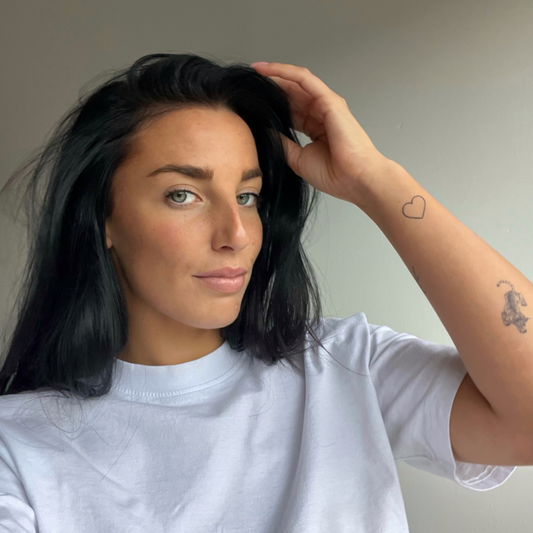
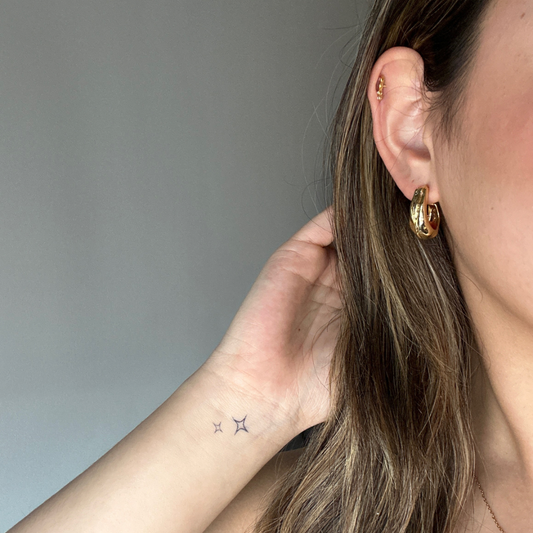
Unsure if you can handle the pain in a certain spot? Try a temporary tattoo first to see if the location suits you before you get the needle!
Less painful spots for a tattoo
- Outer upper arm: Lots of flesh and few nerve endings make this a popular first tattoo spot.
- Thigh: There is also enough muscle tissue here to soften the pain.
- Calf: Similar to the upper arm, generally manageable.
- Forearm: Fairly comfortable, especially on the outer side.
Want to be sure a upper arm tattoo or calf tattoo suits you well? At tatt4aweek.nl you can try out different designs, completely pain-free.
What affects how a tattoo feels?
Besides the location, there are other factors that influence the experience:
Your own physical condition
Are you well-rested, have you eaten, and are you hydrated? Then you can handle the pain better. Avoid alcohol and blood thinners before your appointment, as they can increase pain and worsen bleeding.
The experience of the tattoo artist
An experienced tattoo artist works more efficiently and has a lighter touch, making the process more pleasant. The quality of the equipment also plays a role.
The length of the session
The first ten to fifteen minutes are often the hardest because your body needs to adjust. After that, endorphins can be released that ease the pain. However, after an hour, fatigue may set in again, making you more sensitive.
Tips to make the pain more bearable
Want to be as prepared as possible? These tips help:
- Get good sleep: A well-rested body handles pain better.
- Eat beforehand: Low blood sugar can make you feel lightheaded and more sensitive.
- Keep breathing calmly: Deep, steady breathing helps you relax.
- Bring distractions: Music, a podcast, or a chat with your artist can help.
- Take breaks: Feel free to ask to pause if you need to.
- Choose the right spot: Start with a less painful location if this is your first tattoo.
And the best tip? Test your tattoo idea first with a temporary tattoo. This way, you can see if the design and spot really suit you, all without the needle.
How long does the pain last after getting tattooed?
Right after the session, your tattoo feels sensitive and burning, similar to a strong sunburn. This sensation can last from a few hours up to a day. In the following days, your tattoo may feel itchy and tight during the healing process. This is normal and part of it.
Always follow your tattoo artist’s aftercare instructions: keep the tattoo clean, apply the recommended cream, and don’t scratch the scab. After one to two weeks, the worst is over, and after a few weeks, your tattoo is fully healed.
Pain-free testing: the smart preparation
A tattoo is permanent, and how it feels is only part of the decision. Equally important: does the design suit you? Is the size right? Is the spot really suitable?
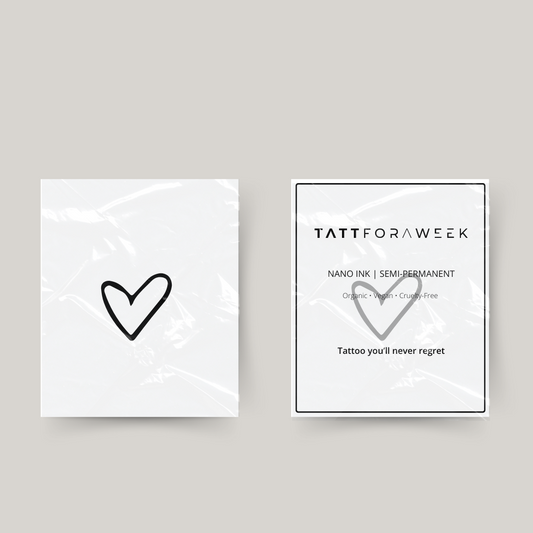
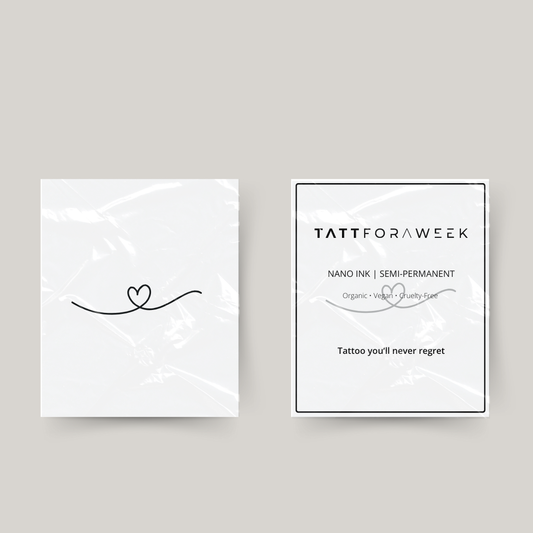
That’s where our temporary tattoos come in. With a sticker tattoo from tatt4aweek.nl, you can experiment worry-free:
- Test different designs, sizes, and locations
- Wear your tattoo for up to 2 weeks, waterproof and naturally looking
- Dermatologically tested and safe for every skin type
- Made from natural ingredients
- No pain, no needle, no permanent decision
Whether you’re unsure about a wrist tattoo, forearm tattoo, or a collarbone tattoo – try it first risk-free.
Ready for your tattoo experience?
Now that you know how a tattoo feels, you’re much better prepared for your first (or next) tattoo. Remember: the pain is temporary, but the result lasts. Choose a spot that matches your pain tolerance, prepare well, and communicate with your tattoo artist.
Want to experience how a tattoo looks without pain and permanent effects first? Check out our extensive temporary tattoo collection and test your favorite design risk-free. Tattoo without regrets – that’s what we stand for!
Discover your perfect tattoo today at tatt4aweek.nl Start your tattoo journey the smartest way.